Algae and Keeping your pool clean for summer
Algae Problems
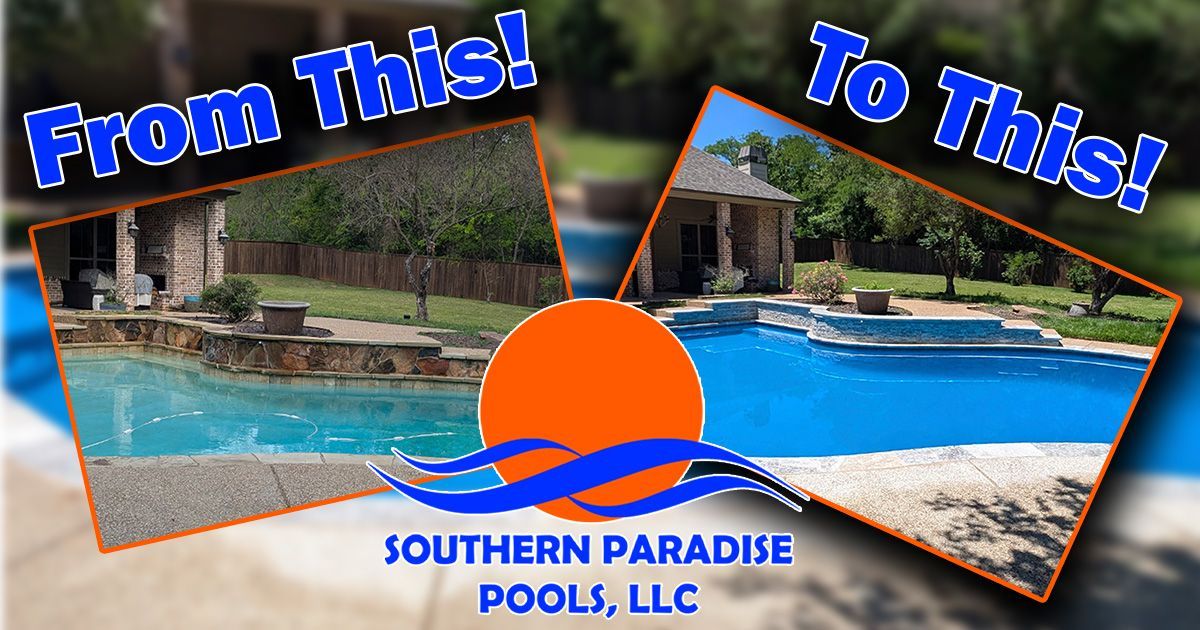
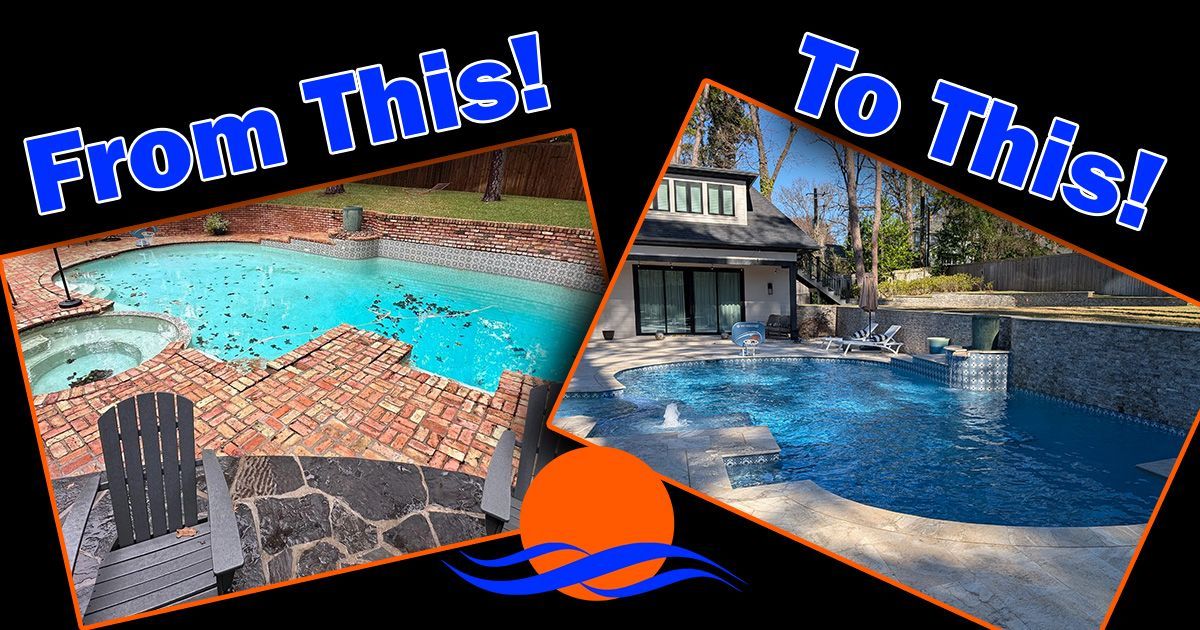
You can see this pool was dealing with a combination of green algae and yellow algae, also known as mustard algae. Green algae is usually the first sign that the water chemistry has fallen out of balance, turning the water cloudy and giving surfaces a slippery feel. The yellow algae is a bit more stubborn and tends to cling to walls and shaded areas, often coming back if it is not treated thoroughly.
In this case, the buildup showed that the pool needed more than just routine cleaning. It required proper chemical treatment, brushing, and filtration to fully eliminate the algae and restore clear, healthy water.
Before and After


Befores


Afters


Understanding Pool Algae: Green, Yellow, and Black
Algae is one of the most common problems pool owners run into. While it may seem like a simple issue, each type behaves differently, and treating it correctly the first time makes all the difference in how quickly your pool gets back to clear.
🟢 Green Algae (The Most Common)
What it is:
Green algae is the most common type and usually the first sign that your pool chemistry is out of balance.
How to recognize it:
- Water looks cloudy or green
- Surfaces feel slick or slimy
- Spreads quickly if left untreated
How it’s treated:
Green algae can often be cleared with a proper shock treatment, brushing, and continuous filtration. The key is making sure the chlorine level is high enough and stays there long enough to fully eliminate it.
What most people run into:
A lot of homeowners will shock the pool once and expect it to clear up overnight. If the levels are not maintained correctly, the algae can linger or come right back, turning a quick fix into a longer process.
🟡 Yellow Algae (Mustard Algae)
What it is:
Yellow algae, also known as mustard algae, is more resistant and tends to return if not fully treated.
How to recognize it:
- Yellow or brownish dust on walls and floors
- Builds up in shaded or low circulation areas
- Brushes away easily but reappears quickly
How it’s treated:
This type requires a stronger, more targeted approach. Higher chlorine levels, thorough brushing, and treating everything that comes into contact with the pool is important.
What most people run into:
Mustard algae is known for coming back. Even when the pool looks clean, it can still be present. Missing one step, like not treating pool equipment or not holding chemical levels long enough, often leads to repeat outbreaks.
⚫ Black Algae (The Most Stubborn)
What it is:
Black algae is the most difficult type to remove. It forms deep roots into the surface of the pool and protects itself from normal treatment.
How to recognize it:
- Dark black or blue spots that do not brush away easily
- Rough texture instead of slimy
- Often found in cracks or porous surfaces
How it’s treated:
Black algae requires aggressive brushing, multiple high-level treatments, and sometimes specialized products to fully eliminate it.
What most people run into:
This is where things get frustrating. It can look like it is gone, only to come back days or weeks later. Without breaking through its protective layer and treating it consistently, it tends to stick around much longer than expected.
Why Proper Treatment Matters
Each type of algae responds differently to treatment, and timing, chemical levels, and technique all play a role in whether it is truly gone or just temporarily under control.
Many pool owners can clear up mild issues on their own, but when algae keeps returning or spreads quickly, it usually points to a deeper balance or circulation problem that needs to be addressed, not just treated on the surface.
Getting Your Pool Back to Clear
Algae does not just affect how your pool looks. It can impact water quality, damage surfaces over time, and make the pool harder to maintain moving forward.
A professional approach focuses on fully eliminating the algae, correcting the root cause, and getting your pool back to a condition that is easier to maintain long term.
Other Factors That Can Affect Algae Growth
Algae is not always just a chemical issue. The physical condition of the pool and its equipment plays a big role in how and why algae shows up.
- Filtration and equipment: If the pump, filter, or skimmers are not working efficiently, algae spores are not being properly removed from the water. Poor circulation can leave dead spots where algae thrives.
- Leaks and water loss: When a pool is losing water, it is constantly being refilled. This can dilute chemicals and make it harder to maintain consistent sanitation levels.
- Local water supply or well water: Fill water can introduce minerals, phosphates, or other contaminants that feed algae growth, especially in areas using well water.
- Circulation patterns: Areas with low movement, like steps, corners, or behind features, often become the starting point for algae buildup.
- Surface condition: Older or rough pool surfaces give algae more places to attach and grow, making it harder to fully remove.
In many cases, recurring algae problems are tied to one or more of these underlying factors. Addressing them early can save time, chemicals, and frustration down the road.
Share To...